A whole-house repipe does not automatically include the buried water line from the meter to the home. The proposal may cover the indoor hot- and cold-water distribution, the outdoor supply line, or both. Before approving the project, ask the plumber to identify the exact starting point, ending points, and connections included. The phrase whole-house is not enough to establish which pipes will be replaced.
Separate Indoor Distribution From the Outdoor Supply
Indoor water distribution carries water to fixtures and appliances throughout the home. The outdoor water service line brings water toward the house from the supply connection. A proposal can replace the indoor network while leaving that outdoor line in place. Another project may address the service line without replacing the piping behind your walls.
Water supply piping also has a different job from drain and sewer piping. Do not assume a repipe includes drains, a sewer lateral, gas lines, or irrigation. Dependable Rooter & Plumbing provides repiping in Rocklin; ask which parts of your particular water system the recommendation covers.
Ask for the Work Boundaries in Writing
A written scope should let you follow the proposed replacement from its first connection to the fixtures it serves. Ask the contractor to clarify these points rather than relying on a label such as complete repipe:
- The starting connection: Identify where the new piping begins and which existing pipe, valve, or supply connection will remain before that point.
- The indoor endpoints: List the bathrooms, kitchen, laundry, water heater, and other water connections included, along with any fixtures or areas excluded.
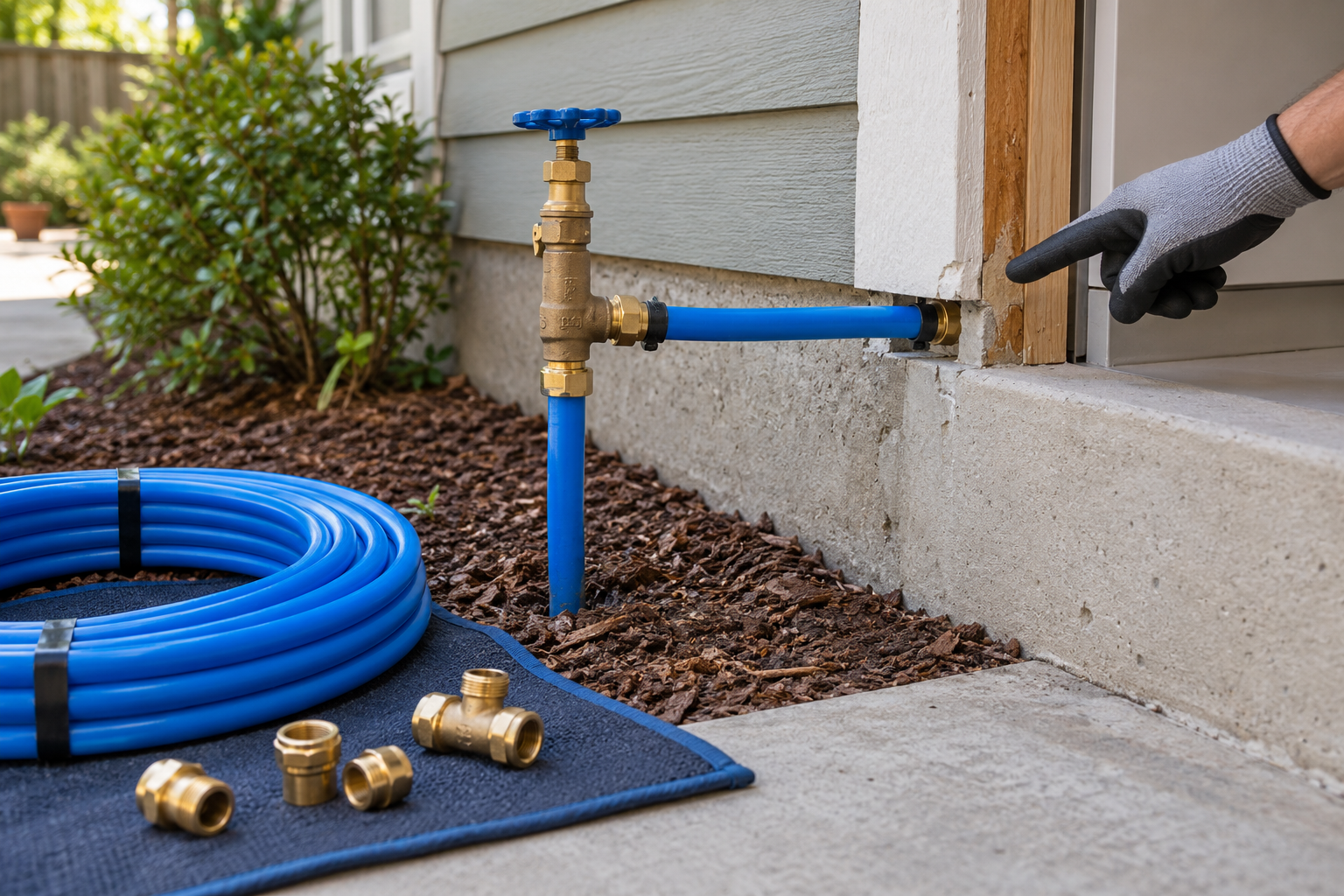
- The outdoor supply: State whether any buried pipe between the supply connection and the home will be repaired, replaced, or left in place.
- The remaining components: Clarify whether shutoff valves, fixture connectors, hose bibs, pressure-regulating equipment, or treatment-system connections are included.
- The project exclusions: Identify separate drain, sewer, irrigation, appliance, finish, or other work that the accepted proposal does not cover.
Ask for a simple sketch or an explanation using recognizable locations if pipe terminology is unclear. Two proposals with different starting points can describe substantially different projects. Compare those boundaries before deciding whether their totals cover the same work.
If the Outdoor Water Line Is Included, Define Its Scope
A service-line replacement introduces its own access and connection questions. Dependable also offers water line repair and installation. If that work is recommended alongside an indoor repipe, have the proposal distinguish the tasks and explain:
- Which outdoor section will be replaced and where its new connections will be made.
- How the route and any access areas will be identified before work begins.
- Which yard, walkway, driveway, or other surfaces may need to be opened.
- Who handles applicable utility coordination, permits, inspections, and listed fees.
- Which backfill, cleanup, and finished-surface restoration tasks are included or excluded.
Do not assume responsibility for a pipe section from its distance to the meter alone. If work reaches utility equipment or a connection with unclear ownership, ask the plumber and water provider to confirm the work boundary and required coordination. Do not operate utility-owned equipment yourself.
Understand Why Each Section Needs Work
Ask which findings support an indoor repipe, an outdoor service-line repair, or both. A pressure complaint does not establish that every pipe needs replacement. Fixtures, valves, supply conditions, and piping can produce overlapping symptoms. The recommendation should connect the proposed work to the conditions actually evaluated at your home.
If only indoor piping is being replaced, ask what is known about the remaining supply line. Replacing one part of the system does not establish the condition of another. The plumber should explain any limitations in the assessment and whether additional evaluation is recommended before committing to a larger scope.
If both sections are proposed, ask whether they solve separate verified problems or form one coordinated replacement plan. Have the contractor explain the reason for each component. Avoid choosing additional replacement solely because a pipe is hidden, the home is older, or another section has already been scheduled for work.
Compare Access, Reconnection, and Restoration
New piping may need access through walls, ceilings, an attic, a crawl space, or exterior areas, depending on the route. Ask which areas are expected to be opened and how the contractor will protect nearby belongings. The quoted pipe replacement and the final appearance of those areas are separate scope questions.
Clarify who closes openings and whether drywall finishing, texture, paint, tile, landscaping, or paving is included. Also ask which existing fixtures and appliances will be reconnected. A general cleanup item does not establish that every disturbed surface will be returned to its original finish.
Discuss water interruptions, access to occupied rooms, and completion checks before work starts. Where inspections apply, ask how they affect the sequence. If a concealed condition changes the plan, request an explanation of the finding and a written scope and price change before approving additional work.
Frequently Asked Questions
Does whole-house mean every pipe on the property?
No. The accepted scope defines the project. Ask whether the term refers to indoor water distribution only and have any outdoor service line, drains, sewer, irrigation, or other systems listed separately. The name of the project does not resolve those boundaries.
Can I keep the existing outdoor supply line?
That depends on its evaluated condition and the requirements of the proposed installation. Ask what has been inspected or tested and why retaining or replacing it is recommended. An indoor repipe alone does not prove that the outdoor line is sound or failing.
Are shutoff valves and fixture connections always replaced?
Do not assume they are. Have the proposal specify the valves, fixture connectors, and other components included, along with parts that will be reused. Ask how retained components will be checked and how a discovered problem would change the work.
What should I have ready for an estimate?
Bring available repair records, describe the symptoms, and identify the fixtures or areas affected. You do not need to expose piping or operate unfamiliar valves. For a repipe scope discussion in Rocklin, call Dependable Rooter & Plumbing at (916) 238-5848 and ask for the indoor and outdoor work boundaries to be explained before approving a proposal.